
Philippine Startup Ecosystem Report 2025: The Next Wave of Innovation
The growth of the Philippine startup ecosystem has not been linear. Instead, it has evolved in waves—each defined by rapid innovation, capital inflows, and adoption, followed by periods of correction. Every cycle has produced more resilient founders and stronger foundations for the next stage of growth.
November 11, 2025
The newest flagship report from Gobi Partners Philippines, “Philippine Startup Ecosystem Report 2025: Innovation at a Crossroads,” identifies the country’s current wave as The Intelligent Age, defined by artificial intelligence (AI) adoption, automation and intelligent data.
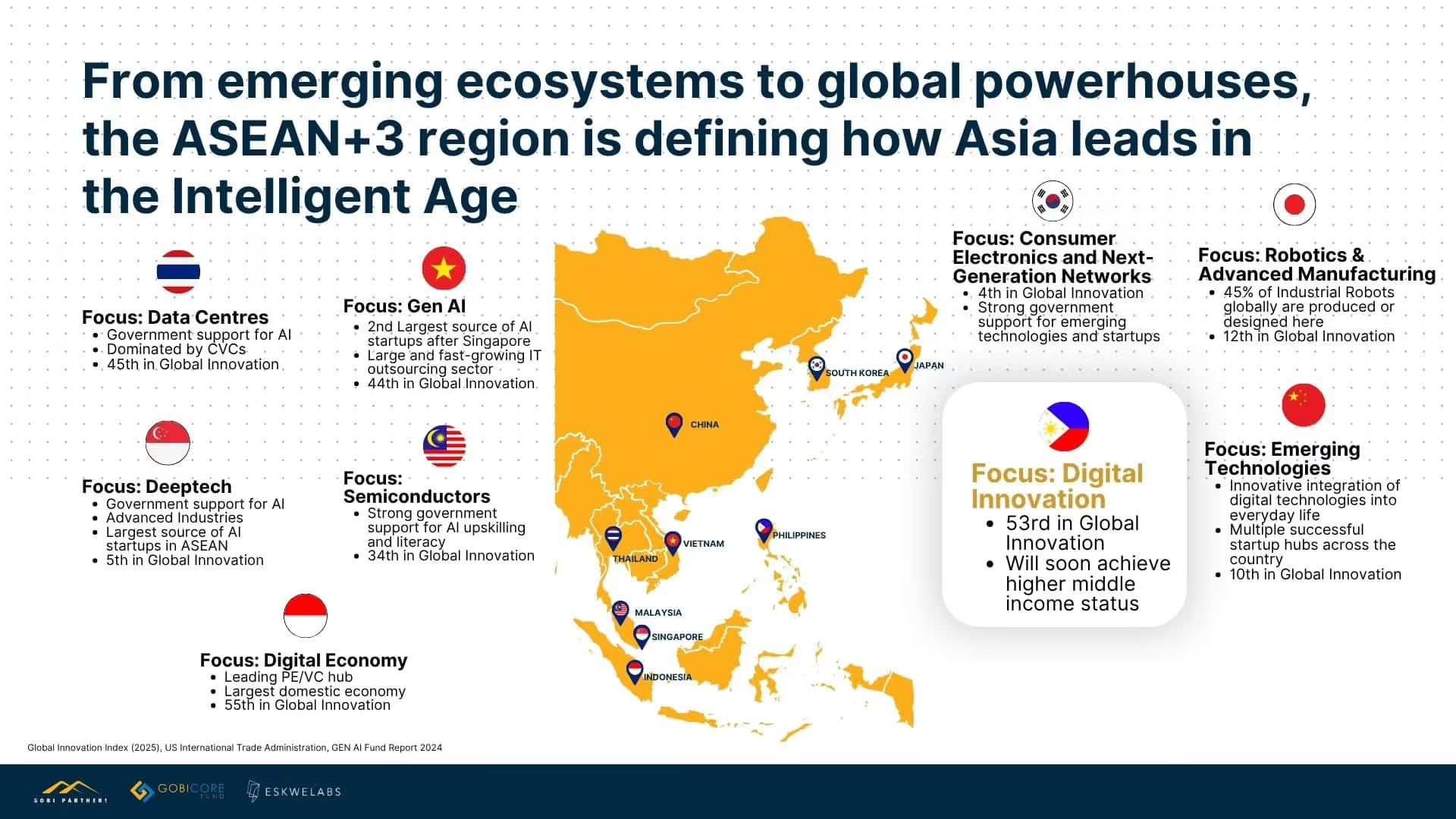
The report benchmarks the Philippines against the ASEAN-6, offering a comprehensive view of the opportunities and challenges shaping its innovation landscape. As AI transforms the way the world works and lives, investors are seeking scalable, internationally competitive models. The Philippines is positioned to build globally impactful companies and define the next wave of Southeast Asia’s innovation.
For the Philippines to compete more effectively with its regional peers, it must address persistent headwinds—particularly slow funding cycles and governance concerns.
Despite these obstacles, sectors such as FinTech and Business Process Outsourcing (BPO) remain strong, while emerging industries like EdTech, AgriTech, and the Circular Economy show high potential for AI-driven transformation.
Sectors Poised for Growth
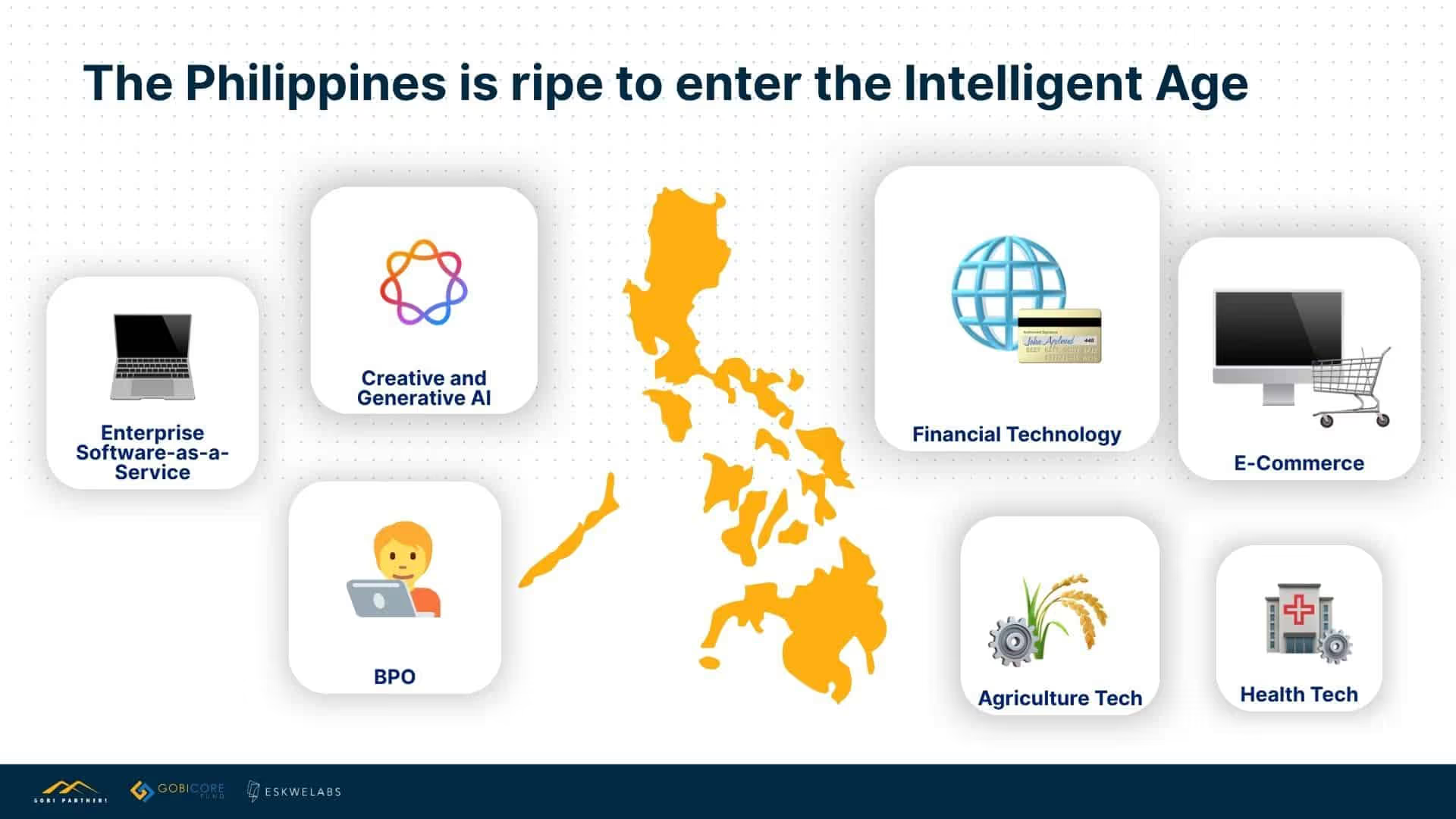
FinTech: Broader financial inclusion presents new growth opportunities. With most adults now owning formal accounts, providers can expand into digital savings, micro-insurance, and instalment credit products.
BPO: As a cornerstone of the national economy, the BPO industry is entering a phase of AI integration. Generative AI is shifting operations from routine processing to advanced problem-solving, analytics, and AI model management—requiring large-scale workforce reskilling.
EdTech and AgriTech: The Department of Education’s Education Centre for AI Research (E-CAIR) aims to develop and scale AI learning tools nationwide. In parallel, AI applications in agriculture and resource efficiency promise to boost yields, empower farmers, and reduce emissions.
Funding Landscape
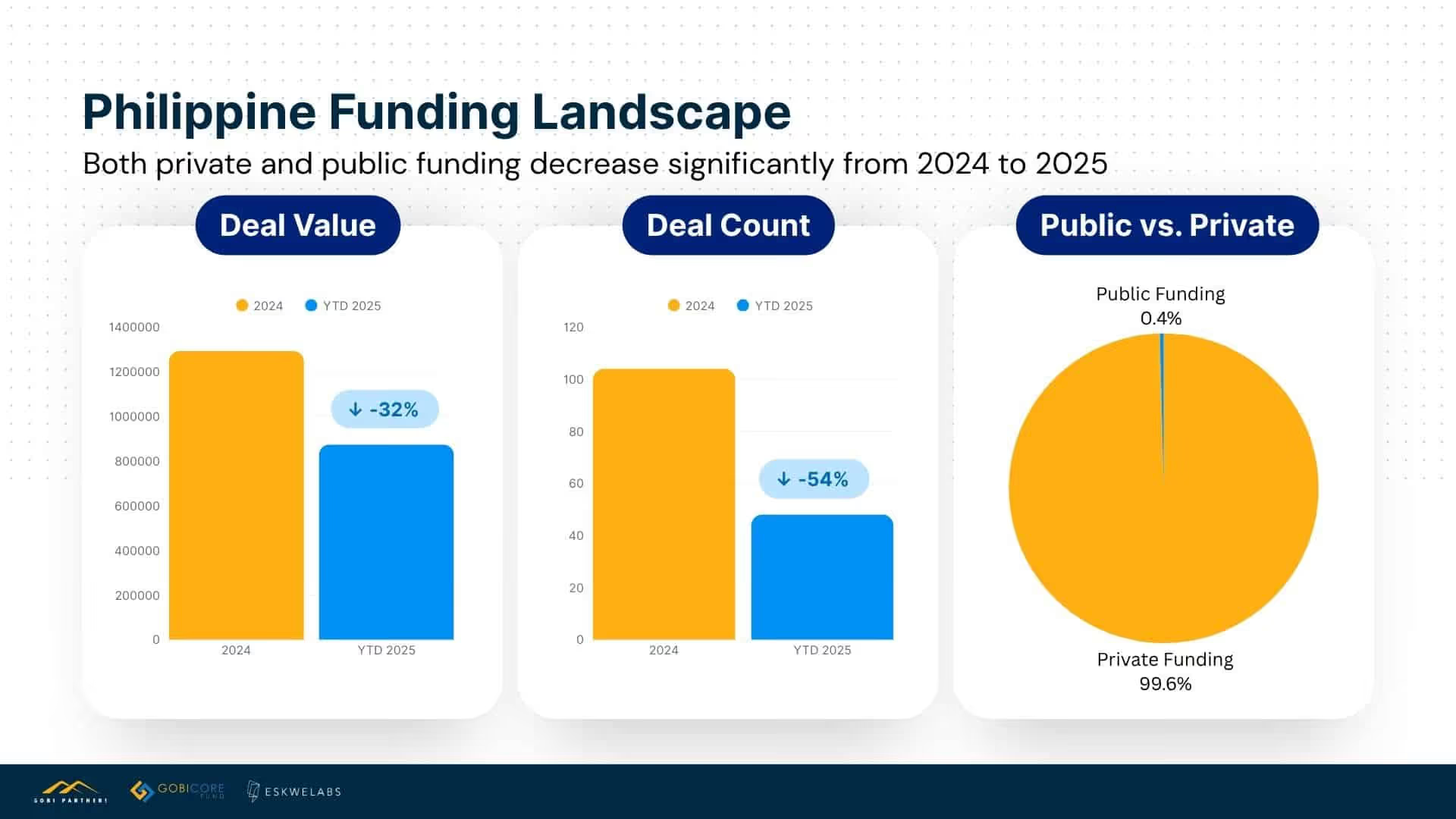
The ecosystem has entered another phase of recalibration. In 2025, total startup funding fell 32%, while deal volume declined 54% year-on-year, continuing the cautious investment trend seen since 2023.
FinTech and e-commerce continue to attract the largest share of investment, but most capital remains concentrated in growth-stage ventures. Early-stage founders face tighter financing conditions, prompting a pivot towards profitability, operational discipline, and sustainable innovation.
State of Filipino Founders
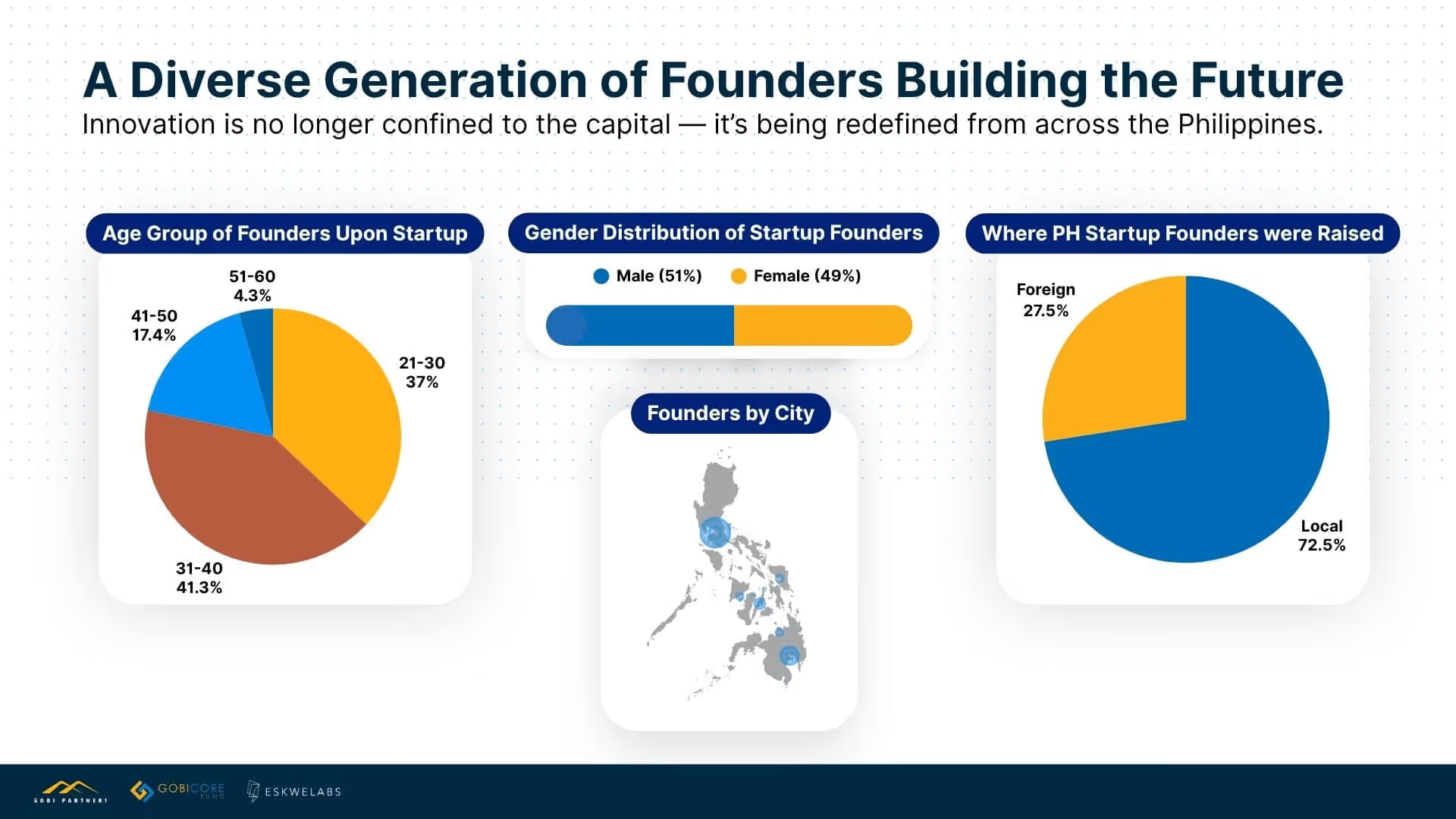
The Founder Survey offers a closer look at the people behind the ecosystem’s progress. Nearly 80% of founders are between 21 and 40 years old, underscoring a generation of early- to mid-career professionals driving the country’s innovation economy. Female representation has risen to 49%, signalling continued movement toward gender parity in leadership. Over 70% were born and raised in the Philippines, though a growing share of returnees and globally educated founders are bringing international experience to local ventures.
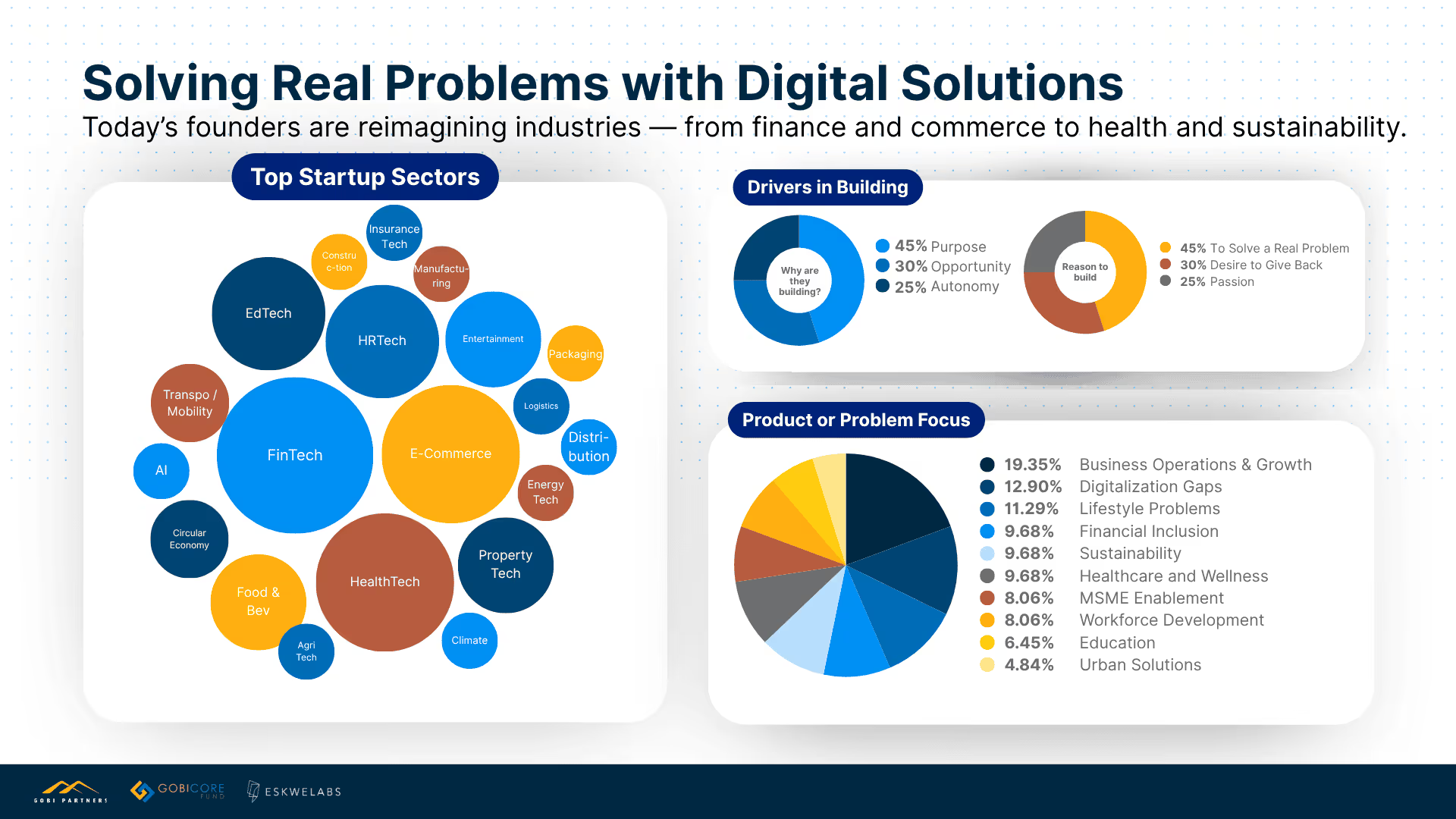
Around 70% also have prior corporate experience, which shapes how they approach problem-solving — balancing purpose, opportunity, and autonomy as their key drivers. This generation of founders is focused on addressing real and structural challenges such as digitalisation gaps, business growth barriers, and financial inclusion — signalling a shift toward building startups that tackle systemic issues with sustainable, technology-driven solutions.
Economic and Social Impact
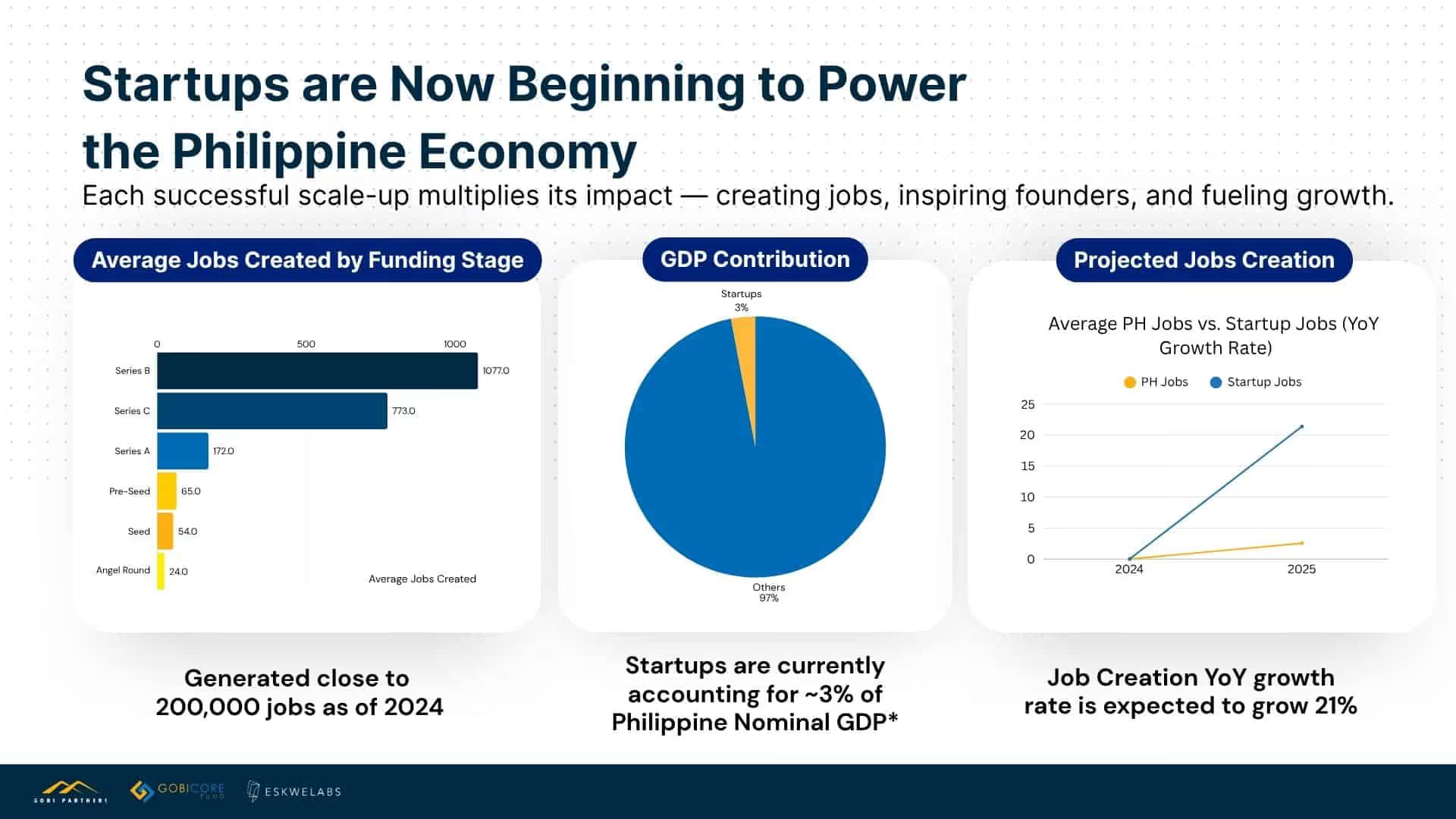
Despite the funding slowdown, startups continue to generate meaningful economic value. They contribute an estimated 3% of nominal GDP and generate nearly 200,000 jobs nationwide.
Innovation is no longer confined to Metro Manila. New clusters are emerging in Cebu, Davao, Iloilo, and Cagayan de Oro, signalling the regionalisation of the innovation economy. With greater public support and scale-up financing, these startups could significantly expand their contribution to national growth and employment.
Restoring Investor Confidence
Investor caution reflects both global and domestic factors. High interest rates, limited exits, and tighter liquidity have slowed global venture flows. Locally, persistent governance challenges have further dampened sentiment.
The Philippines ranked 114th out of 180 countries in the 2024 Corruption Perceptions Index, trailing Malaysia, Indonesia, and Vietnam. The World Bank and IMF estimate that corruption costs the economy PHP600–PHP800 billion annually in lost productivity and misallocated spending.
By contrast, Vietnam’s proactive startup policies and strong manufacturing base have helped it overtake the Philippines in deal volume, underscoring the need for coordinated policy reform, transparent governance, and stronger early-stage financing to regain competitiveness.
A Moment for Reform
These challenges present an opportunity for renewal. By introducing institutional accountability, policy green lanes, and strategic upskilling, the Philippines can transform governance reform into a competitive advantage.
Turning policy credibility into a growth driver will not only restore investor confidence but also accelerate the country’s transition into The Intelligent Age—an era defined by sustainable innovation and inclusive technological progress.